00 / THE OPENING FRAME
I make
complex
things move.
AI systems, automation choreography, and interfaces with a pulse.
01 / THE THESIS
Good automation should feel less like software and more like a quiet superpower.
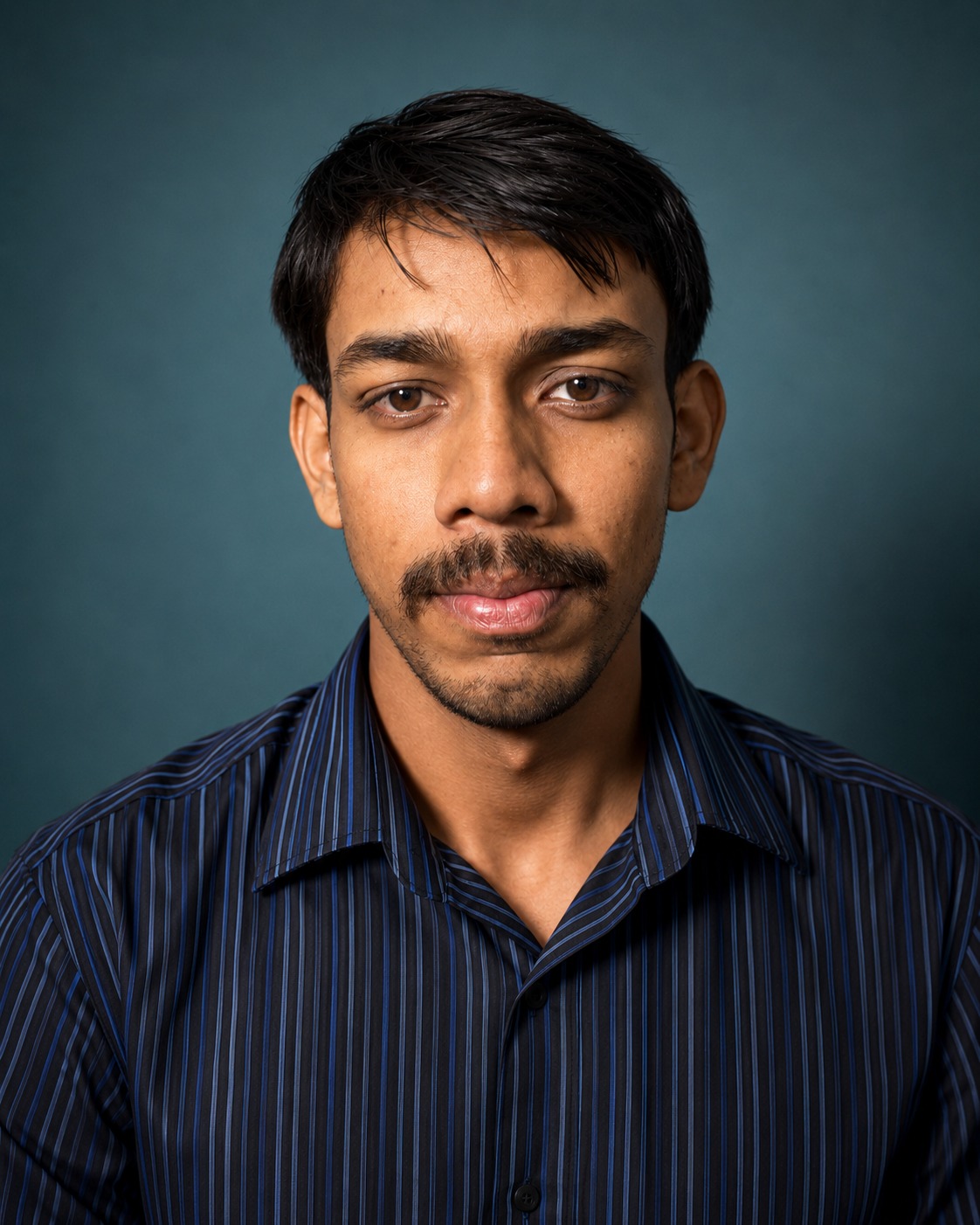
I'm Muhammad Maaz Akram, an AI student and automation engineer based in Islamabad, Pakistan. I connect APIs, models, people, and business logic into systems that keep moving after the handoff.
02 / SELECTED SEQUENCES
Built for
the real world.
A small cut of automation systems, AI workflows, and applied ML experiments. Each one started with a messy problem and ended with a cleaner signal.
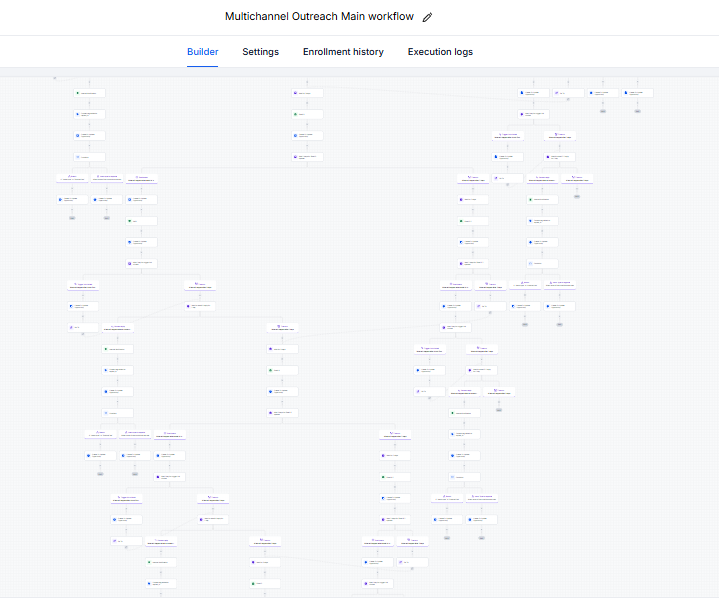
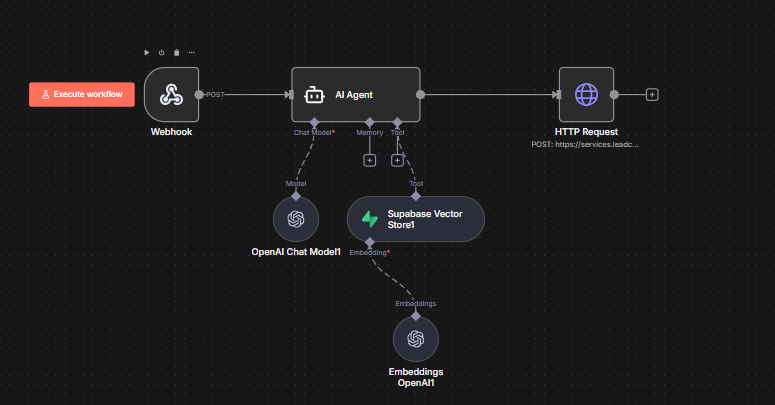


Multi-Channel Outreach Automation System
AI-powered outreach system for lead extraction, enrichment, CRM workflows, and automated LLM-based reply handling.
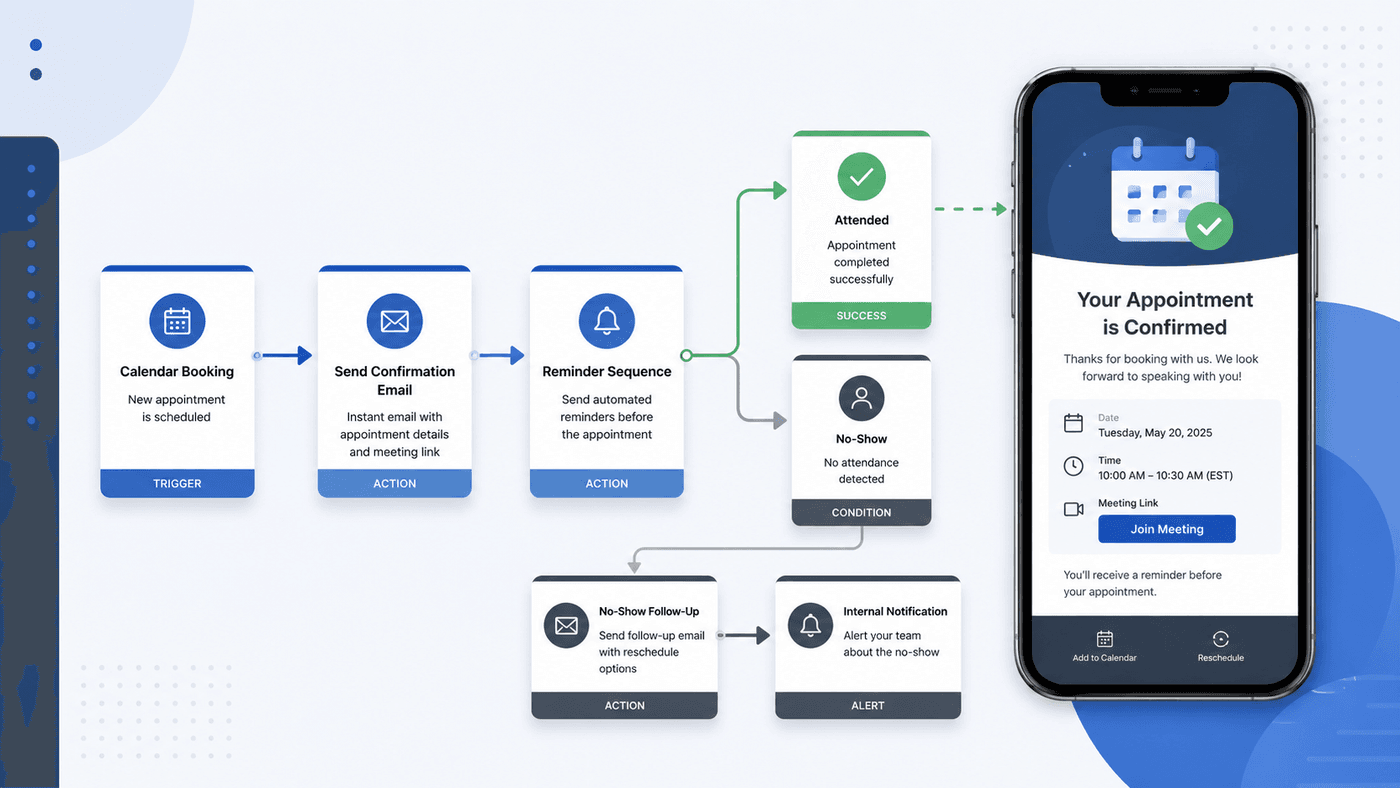
02Real Estate CRM & Smart Lead Routing System
Lead routing and follow-up automation for faster real estate response workflows.
03Automated Financial OCR & KPI System
OCR pipeline that extracts financial data and powers structured KPI tracking.
04Automation Infrastructure & API Integration Layer
Reusable integration layer enabling reliable automation across tools and platforms.
05AI Social Media Content Automation
AI generates content calendars, creates posts, and auto-publishes across 3 platforms.
03 / THE SIGNAL
More than a
stack.
The tools change. The instinct stays the same: find the bottleneck, map the system, then make the next action inevitable.
DOMAINS
Automation
n8n / GoHighLevel / Zapier / Make (Integromat)
Programming
Python / TypeScript / FastAPI / Next.js / React
AI / ML
LLM Research / Machine Learning / NLP / Transformers / PyTorch / scikit-learn
Data and CV
Computer Vision / OCR / Signal Processing / pandas / Streamlit
04 / THE NEXT FRAME
Let's make
something move.
Have a tangled workflow, a strange idea, or a problem that refuses to stay solved? Send the first frame.
muhammadmaazsaat@gmail.com